
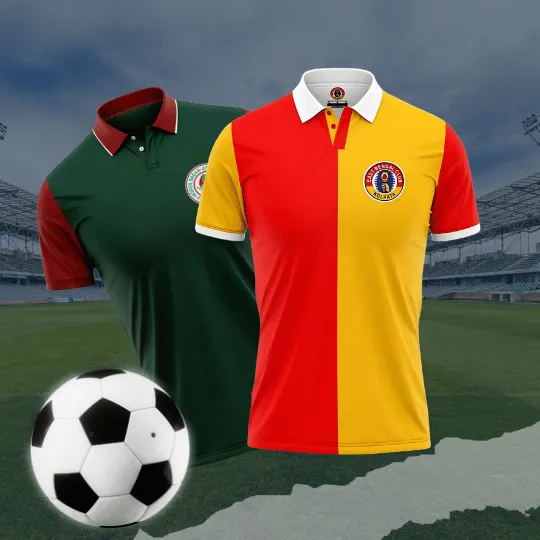
Jerseys are more than just clothing items; they are symbols of identity, loyalty, and pride. From the sports field to casual wear, jerseys have a fascinating history and cultural significance. Let’s dive into seven interesting facts about jerseys that you probably didn’t know!
1. The Origin of the Name
The term “jersey” originates from the island of Jersey, one of the Channel Islands. During the Middle Ages, the island was known for producing high-quality knitted woolen garments, which were exported to different parts of Europe. Over time, these knitted garments came to be known as jerseys.
2. Sports Jerseys Were Originally Made of Wool
Before modern synthetic materials, sports jerseys were made from wool. Wool was durable and breathable, making it suitable for athletes. However, it was heavy and absorbed sweat, leading to the development of lighter, synthetic fabrics like polyester, which dominate the jersey industry today.
3. Numbers on Jerseys Began in Soccer
The tradition of numbering jerseys started in soccer (football) in the 1920s. Numbers were used to identify players on the field. The practice quickly spread to other sports like basketball, rugby, and American football. Today, jersey numbers are iconic, often representing legendary players and their legacies.
4. Color Significance in Jerseys
The colors of a jersey often symbolize the identity of a team or community. For instance:
- Green and maroon are iconic for Mohun Bagan, symbolizing heritage and pride.
- Blue is associated with Chelsea FC, reflecting stability and strength.
Some teams even change jersey colors for special occasions, creating collector’s items for fans.
5. Custom Jerseys are a Growing Trend
From personalized names to unique designs, custom jerseys have become increasingly popular. Fans can now wear jerseys with their own names, favorite numbers, or even celebrate special events like weddings or birthdays with themed jerseys. This trend has also boosted jersey sales globally.
6. The Most Expensive Jersey Sold
Did you know that the most expensive jersey ever sold was Diego Maradona’s “Hand of God” jersey from the 1986 FIFA World Cup? It fetched a staggering $9.28 million at auction in 2022, showcasing how jerseys can become valuable pieces of history.
7. Sustainable Jerseys Are the Future
With growing awareness about environmental issues, many sports brands have started producing eco-friendly jerseys made from recycled materials. For instance, Adidas and Nike have introduced jerseys made from recycled plastic bottles, aligning fashion with sustainability.